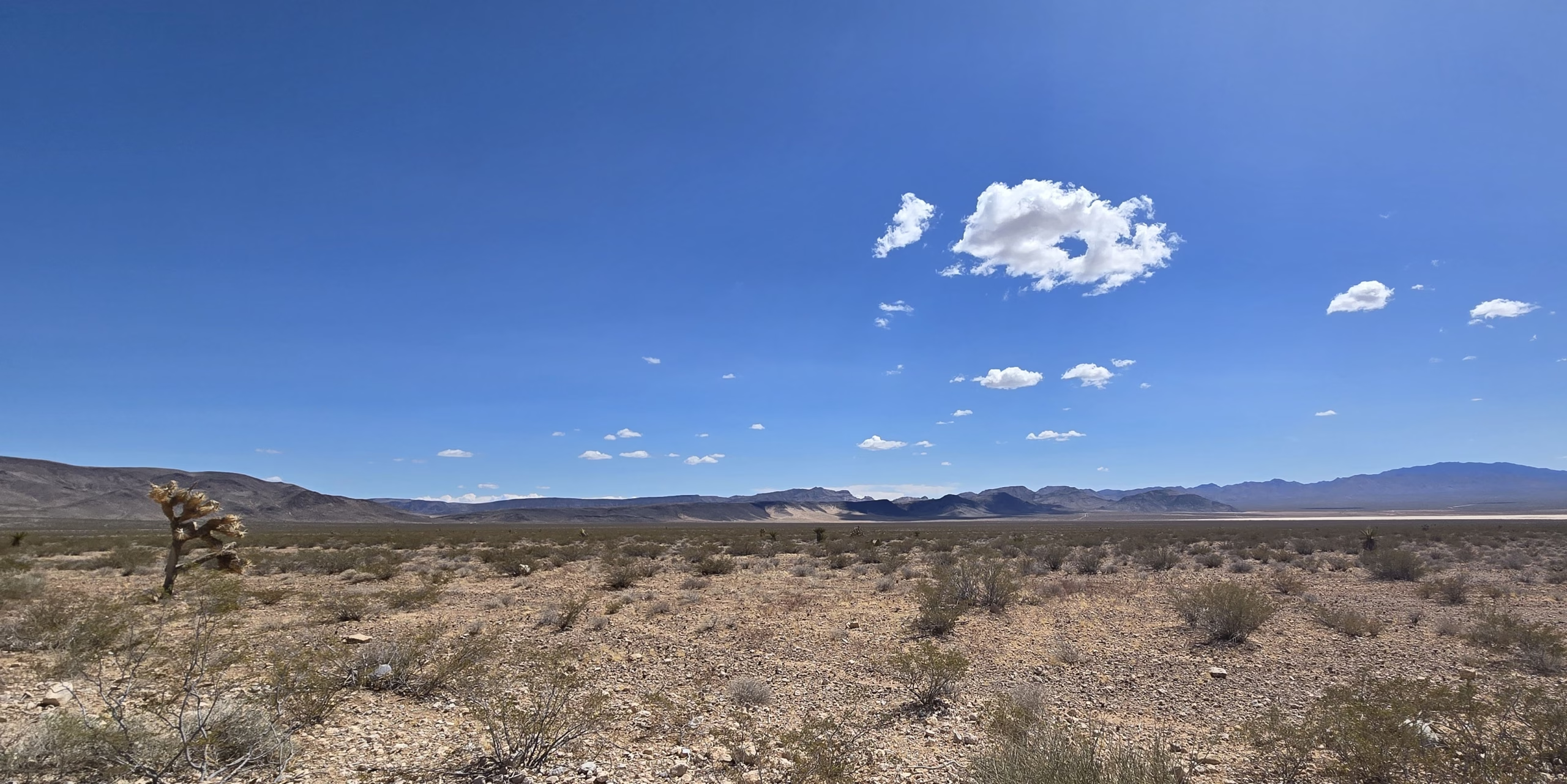
After two earlier off-roading adventures that were full of surprises (and some lessons the hard way), it was time to return to where it all began—the same trail that nearly pushed me off the edge. This time, Lynn and I came prepared to apply everything we had learned from those earlier outings. No dramatic moments, just taking our time, using the right tools, and trusting what we’d learned. And you know what? It worked beautifully.
Slowing Down and Playing It Safe
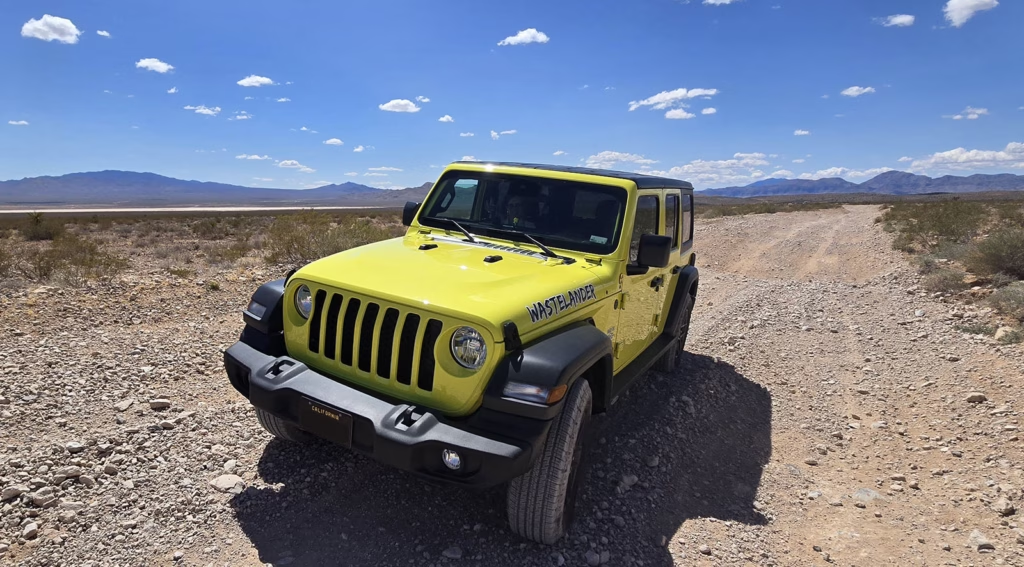
We knew from the start that going slow was the key. We dropped it into four-low much earlier than before. And I deflated the tires so they’d better conform to the rocky terrain, offering less bounce and more grip. We also disconnected the control arms for better front-wheel articulation. Each of these steps allowed us to take our time and enjoy the trail at a pace that felt safe and controlled. As the off-roading saying goes, go as slow as possible and as fast as necessary.” In the rocky sections, we took that advice to heart, and it made all the difference. We didn’t rush. It took longer, but it was the pace that made the experience enjoyable. We didn’t feel pressured, we just had fun.
Discovering Jeep’s Cruise Control Feature
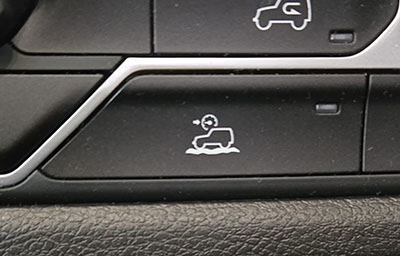
There was another pleasant surprise in the form of a button I hadn’t noticed before. Turns out, this is a low-speed cruise control feature, ideal for rocky patches where it’s easy to accidentally hit the gas too hard. It works in increments of half a mile an hour and goes up to eight miles an hour. I had no idea how much of a game-changer it would be, but once I started using it, I couldn’t get enough. It gave me so much more control over the rough parts and allowed me to enjoy the bumps and dips without rushing it. It was liberating, and gave me a bit more confidence navigating rough patches.
Assessing Rocks and Protecting the Jeep
One of the challenges on this trail was how deeply rutted it was, which led to occasional bottoming out. I didn’t want to risk damaging the Jeep’s undercarriage, so I made sure to stay mindful of what I could clear without harming the vehicle or disturbing the trail. The goal here was to do as little as possible to the trail while still getting through safely—after all, it’s about preserving the environment while enjoying the journey. The experience also made it clear that my Jeep would benefit from some mods. I’ll be diving into that in the next blog post, but even on a beginner trail, I could see where a little more clearance would go a long way.
The Cliff Moment: Trusting My Judgment
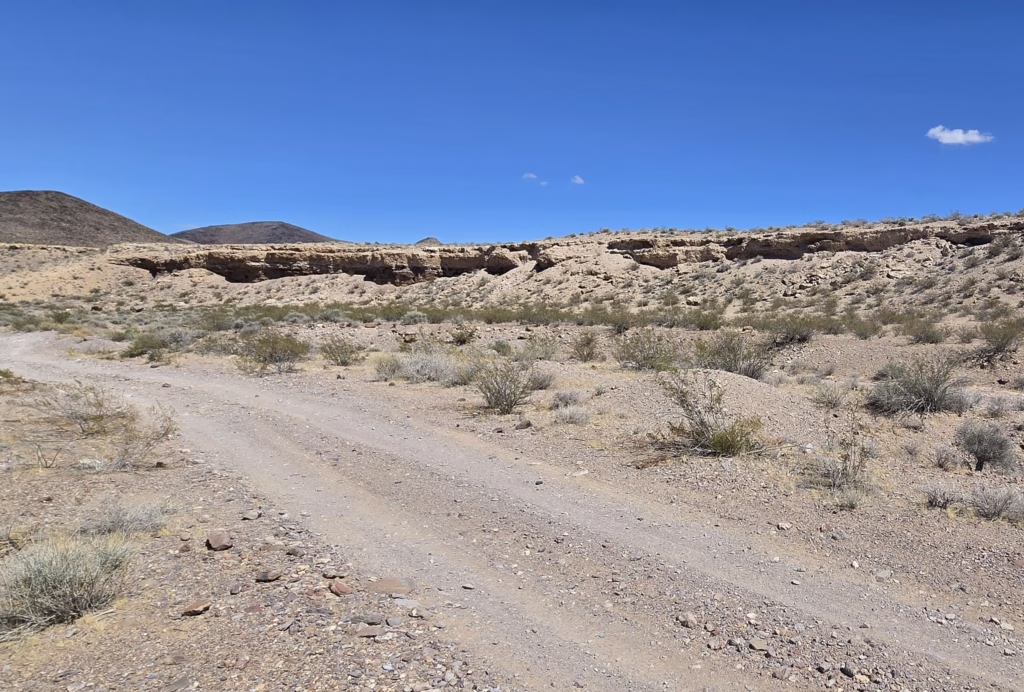
The real drama came when we hit a cliff. The trail software suggested an easy route, but when I got there, it was anything but. At that moment, I had to trust my gut. I could’ve forced it, but there was no way I was risking it—this was the same type of situation I had faced on my first adventure where I almost went off the edge. I got out of the Jeep, looked around, and found that there were other options. The third trail I tried worked perfectly. I learned from my past experiences, took the time to evaluate the situation, and found the right way down. That sense of satisfaction when I realized I had made the right call was invaluable.
Safety First: Thinking Beyond the Map
On the same trail, I came across an area where target practice was happening. This wasn’t the first time on this trail, and while I’m not bothered by guns in general, it’s important to stay safe and smart. The trail map didn’t highlight the fact that the route went right through an area where people were shooting. The key lesson here was simple: maps and apps are tools, but they’re not always perfect. Don’t follow blindly—use your brain. I found an alternate route, but it was important to stay level-headed and be aware of my surroundings. Public land is open to everyone, but that doesn’t mean you shouldn’t use common sense.
The Takeaway: Never Give Up
Ultimately, the biggest takeaway from this adventure is simple: Don’t give up. After the earlier incidents where we almost ran into serious trouble, I was determined not to let this one get the best of us. We had made it so far and were having a blast, so why stop now? And by applying the lessons I learned—going slow, trusting the Jeep’s features, and using my judgment—I was able to make it through in one piece.
So here’s my advice to anyone heading out on a similar adventure: keep learning, go slow, trust your gut, and don’t let a tough moment make you quit. Off-roading has been one of the most fun hobbies I’ve ever picked up, and I’m excited to keep exploring.
Lesson Learned: The slow road is often the best teacher.
Lesson Learned: Success is about judgment, not speed.
Lesson Learned: Paying attention beats powering through.
Lesson Learned : Air down your tires for traction, comfort, and control.
Lesson Learned: Disconnect sway bars keeps your wheels on the ground.
Leave a Reply
You must be logged in to post a comment.